Product description
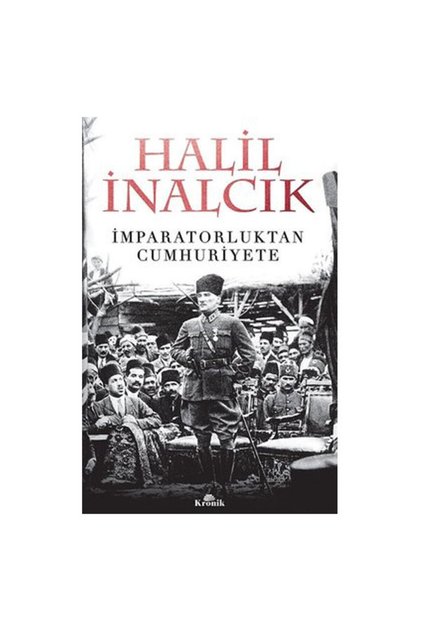
"unionists were nationalistic and had great ideals, but they were a team that couldn't evaluate themselves, which led them to failure. Mustafa kemal (atatürk) established the national unity in syria, then came to macedonia the following year, and from there, he fled to trabzon. When he finishes his duty in trablusgarp, he comes to the balkan war again. This situation has obviously had a tremendous impact on him and his thoughts. After the first world war, turkish society opted for the national struggle rather than chaos and a new world war. The ottoman empire wasn't the only empire to crumble thanks to nationalist movements
however, neither russia nor austria-hungary had seen such active and armed nationalist movements. "the old arabians in the trend we rode in 1967, ""oh, where is that ottoman!" They were getting closer.
the answer is thought-provoking.
we don't know who chased the ottoman, whether he was chased with us. In 1918, amidst the darkest days of the war, people were resisting everywhere.
but there was no coordination between these resistances.
what political wit would provide that quip? But behind him, a commander with military success and distinguished honors… mustafa kemal ataturk. The second world war left behind a far greater number of dead than it killed on the front lines.
"ilber ortaylı's in-depth analysis of the reasons for the collapse of the ottoman empire, the nationalistic currents, the trablusgarp war, the balkan war, the first world war, mustafa kemal atatürk and his friends who established a republic from the ashes, the efforts to transition to democracy in turkish political life, the years when the democratic party was in power and developments towards 1965, the history of the middle east, the rise and fall of the kingdoms, the oppressive leaders and their sons, is a unique invitation to read with breathless breath... facts of modern history, 19 and 20." A must-read book for those wondering about i̇lber ortaylı's opinions on the issues that have been discussed and never left the agenda in the century.










 Yellow face