Free shipping

Only 1 left!
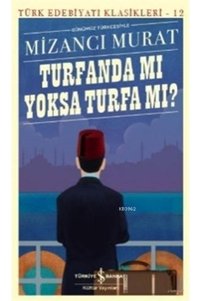
Türkiye İş Bankası Kültür Yayınları Is It "Turfanda" or "Turfa"? (HARDCOVER)

-62%
12.02
AED
31.85
(incl. VAT)
Free shipping
Delivery address

Select your address, find out the delivery date!
International delivery
Trendyol's commitments
Easy and free return in 15 days.
Payment methods




Highlighted features:
TÜRKİYE İŞ BANKASI KÜLTÜR YAYINLARI Is It "Turfanda" or "Turfa"? (HARDCOVER) features
Dimensions
Normal Size
Year of Publication
2022
Number of Pages
401-450 Leaves
Set/Single
One item
Origin
TR
Volume Information
Paperback

ASUDE KİTABEVİ
9.5
40.8K followers
Seller information
Other sellers
TÜRKİYE İŞ BANKASI KÜLTÜR YAYINLARI Is It "Turfanda" or "Turfa"? (HARDCOVER) prices
Similar items


 Trendyol Plus Exclusive


TÜRKİYE İŞ BANKASI KÜLTÜR YAYINLARI Is It "Turfanda" or "Turfa"? (HARDCOVER) reviews
7 ratings
1 reviews

Product details

Product description
Is It Turf or Peat? Mi̇zanci Murat
Additional info
- Sold by .
- The selling price on Trendyol already includes the export-related costs.
- Made in Türkiye
- A maximum of 5 units of this product can be ordered. Trendyol reserves the right to cancel orders over 5 units.
- Barcode No: 9786052956861
- Origin: TR
TÜRKİYE İŞ BANKASI KÜLTÜR YAYINLARI Is It "Turfanda" or "Turfa"? (HARDCOVER) features
Dimensions
Normal Size
Year of Publication
2022
Number of Pages
401-450 Leaves
Set/Single
One item
Origin
TR
Volume Information
Paperback
Safety information
Product safety information
Product description
Turfanda Mı Yoksa Turfa Mı?
In turfa or turfa? Mansur, the protagonist of the novel, comes to istanbul as an idealist determined to dedicate his existence to state service, having received medical education in france. But as soon as he takes his step, he is surprised by the events he encounters and the views he sees. With the attention of mansur tenkitçi, the ottoman society and state life is displayed to its most junk corners, while the reasons for the fall of the ottoman empire, which has been shaking since tanzimat, as it wants to be verified, and finally collapsed, are presented before the eyes in vivid pictures. Are the temperamental murat readers, the first pioneers of the new crop of the time, the mansur-like ones, the ones that will increase in the future, the ones that will increase in the future, the ones that will increase in the future, the ones that will increase in the future, the ones that will increase in the future, the ones that will increase in the future, the ones that will increase in the future, the ones that will increase in the future, the ones that will increase in the future, the ones that will increase in the future, the ones that will increase in the future, the ones that will increase in the future, the ones that will increase in the future, the ones that will increase in the future, the ones that will increase in the future, the ones that will increase in the future, the ones that will increase in the future, the ones that will increase in the future, the ones that will increase in the future, the ones that will increase in the future, the ones that will increase in the future, the ones that will increase in the future, the ones that will increase in the future, the ones that will increase in the future, the ones that will increase in the future, the ones that will increase in Makes you ask the question. Mizancı murat (1854-1917) was a journalist, politician, historian, and author. he was born in dagestan. He completed his primary and secondary education here. After receiving a medical education in russia, he went to istanbul in 1873 and worked as a translator in the press office of the ministry of foreign affairs. He gave lessons in political history and geography at the mekteb-i mülkiye. He taught and managed in darülmuallimin. Murat bey, who made his mark in the newspapers "ittihat ve vakit" with his articles on the russo-turkish war and foreign policy, secured a prominent position in the ottoman press with the newspaper "mizan" he launched in 1886. The paper was censored and closed down periodically because of its editorials. When the first organized opposition movements started in istanbul, the jön turks wanted murat bey, whom they saw as close to them, to take the lead of the movement. Fleeing to paris in 1895 due to pressure from the palace, murat bey, with his reissued mizan in cairo, then paris and geneva, and also his political treatises, caused a great impact in europe and turkey. Ii.. After the declaration of the republic, he re-emerged mizan, the hope of an agreement with his old party, the leaders of the committee of union and progress, who did not forgive his return from europe, he went to a fierce opposition, whose influence extended to the march 31 events. A few days after the incident, he is arrested on charges of instigating a riot and a military coup, sentenced to life imprisonment, and exiled to rhodes. He returned to istanbul in 1912 after a partial pardon following his exile in midilli, and continued writing in peyam and peyam-ı edebi.
In turfa or turfa? Mansur, the protagonist of the novel, comes to istanbul as an idealist determined to dedicate his existence to state service, having received medical education in france. But as soon as he takes his step, he is surprised by the events he encounters and the views he sees. With the attention of mansur tenkitçi, the ottoman society and state life is displayed to its most junk corners, while the reasons for the fall of the ottoman empire, which has been shaking since tanzimat, as it wants to be verified, and finally collapsed, are presented before the eyes in vivid pictures. Are the temperamental murat readers, the first pioneers of the new crop of the time, the mansur-like ones, the ones that will increase in the future, the ones that will increase in the future, the ones that will increase in the future, the ones that will increase in the future, the ones that will increase in the future, the ones that will increase in the future, the ones that will increase in the future, the ones that will increase in the future, the ones that will increase in the future, the ones that will increase in the future, the ones that will increase in the future, the ones that will increase in the future, the ones that will increase in the future, the ones that will increase in the future, the ones that will increase in the future, the ones that will increase in the future, the ones that will increase in the future, the ones that will increase in the future, the ones that will increase in the future, the ones that will increase in the future, the ones that will increase in the future, the ones that will increase in the future, the ones that will increase in the future, the ones that will increase in the future, the ones that will increase in the future, the ones that will increase in Makes you ask the question. Mizancı murat (1854-1917) was a journalist, politician, historian, and author. he was born in dagestan. He completed his primary and secondary education here. After receiving a medical education in russia, he went to istanbul in 1873 and worked as a translator in the press office of the ministry of foreign affairs. He gave lessons in political history and geography at the mekteb-i mülkiye. He taught and managed in darülmuallimin. Murat bey, who made his mark in the newspapers "ittihat ve vakit" with his articles on the russo-turkish war and foreign policy, secured a prominent position in the ottoman press with the newspaper "mizan" he launched in 1886. The paper was censored and closed down periodically because of its editorials. When the first organized opposition movements started in istanbul, the jön turks wanted murat bey, whom they saw as close to them, to take the lead of the movement. Fleeing to paris in 1895 due to pressure from the palace, murat bey, with his reissued mizan in cairo, then paris and geneva, and also his political treatises, caused a great impact in europe and turkey. Ii.. After the declaration of the republic, he re-emerged mizan, the hope of an agreement with his old party, the leaders of the committee of union and progress, who did not forgive his return from europe, he went to a fierce opposition, whose influence extended to the march 31 events. A few days after the incident, he is arrested on charges of instigating a riot and a military coup, sentenced to life imprisonment, and exiled to rhodes. He returned to istanbul in 1912 after a partial pardon following his exile in midilli, and continued writing in peyam and peyam-ı edebi.
You can order all the university, faculty textbooks you are looking for in our store.