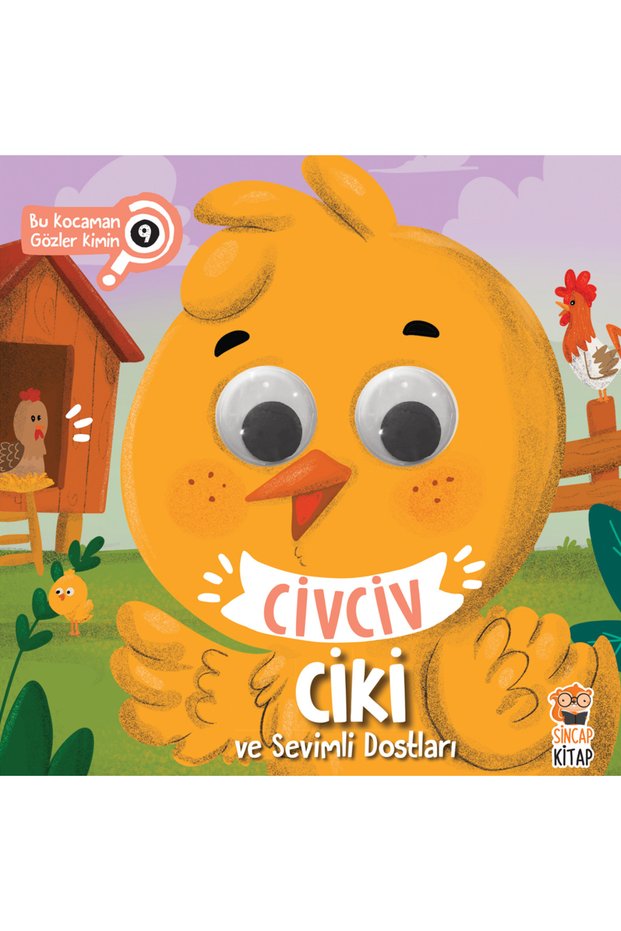
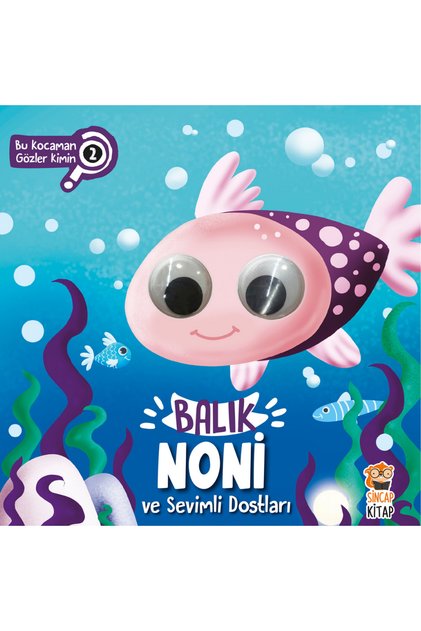
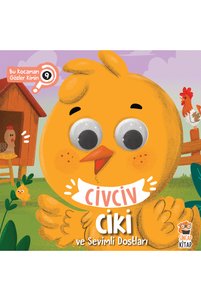
Whose big eyes are these? - chick ciki and her cute friends
"little children who can't wait while waiting during the market, who struggle when what they want is not immediately available, or who don't want to wait in line in the park... the 12-24 month period is a very special process where children strongly feel their desires but are just beginning to learn the concept of ""waiting"". reminding children of this age to be patient through games, stories, and daily life experiences can both help them understand their emotions and manage small waiting moments more easily."
"chick chick and its cute friends - whose big eyes are these?"This is an engaging and interactive developmental book designed to spark your child's curiosity, anticipation, and sense of discovery. with its movable eye mechanism and playful storyline, it keeps children captivated while blending playful exploration with delightful surprises.
Short summary of the book
Chick chick, who has just hatched from his egg, is excitedly waiting for his siblings to hatch. but waiting is hard! under the guidance of his mother chicken tatu, chick explores the farm and meets his friends such as goose paytak, goat gudu and rooster hürhür. each friend shares his own method (swimming, eating, plowing the soil) with chick on how to enjoy the time while waiting. the ones on the pagesMoving giant eyesIt allows your little one to focus while adding joy to the story.
Benefits for children
Emotional development:
It helps them experience that patience isn't just about standing and waiting; it's also about engaging with different things and diverting their attention to other areas.
Language development:
Introduces farm animals, their sounds, and their lifestyles in a playful and imaginative way.
Sensory and motor development:
It uses visual attention to follow the moving eye mechanism, while the experience of touching and moving the eyes promotes fine motor skills (using finger muscles).
Attention and focus:
Thanks to its dynamic and eye-catching eye design, it helps your child maintain interest in the story and focus on the visuals for a longer period.
Benefits for parents
Solution-focused approach:
When your child is struggling to wait, it supports you to adopt a pedagogical approach by saying, "do you remember what ciki did while waiting for his siblings? let's discover something now."
Interactive reading experience:
As your child interacts with the book, they'll move their eyes, make predictions together, and create little games, fostering an active exploration experience with you. this transforms story time into a fun playtime where you can connect with your child.
Concept teaching:
It supports your teacher by making difficult concepts for young age groups, such as "patience", more understandable with examples close to your child's daily experiences.
Who is it suitable for?
Between 12-24 months, little ones who are just discovering the world and ready to meet the concept of "patience"...
Inquisitive children who want to not only read books, but also touch and move them...
Conscious parents who want to support emotional development through daily games and stories...
Teaching a child to manage his emotions is the greatest freedom you can give him.Chick chick, as it gazes at your child with its big, curious eyes, it's actually telling them, "waiting is beautiful, because there's a reunion at the end." come on, get hooked on these lively eyes and discover the most playful form of patience together.
Frequently asked questions
1.are the eyes on the dolls secure or safe for infants?
Yes. the mechanism, crafted with sincap book quality, is securely embedded within the book and has been tested for suitability for use by children aged 12-24 months. however, as with all children's books, parental guidance is recommended.
2.is the book tear resistant?
Our book is printed on american bristol (thick cardboard) paper, taking into account the motor skills of the younger age group.pages are very durable and do not wear easily.
3. can a 1 year old understand the concept of patience?
At this age, children follow the experience they have rather than the definition of concepts. the cycle of waiting, diverting attention to something else and rediscovering in the story helps your child understand small moments of waiting and supports the foundations of self-control skills.