Free shipping
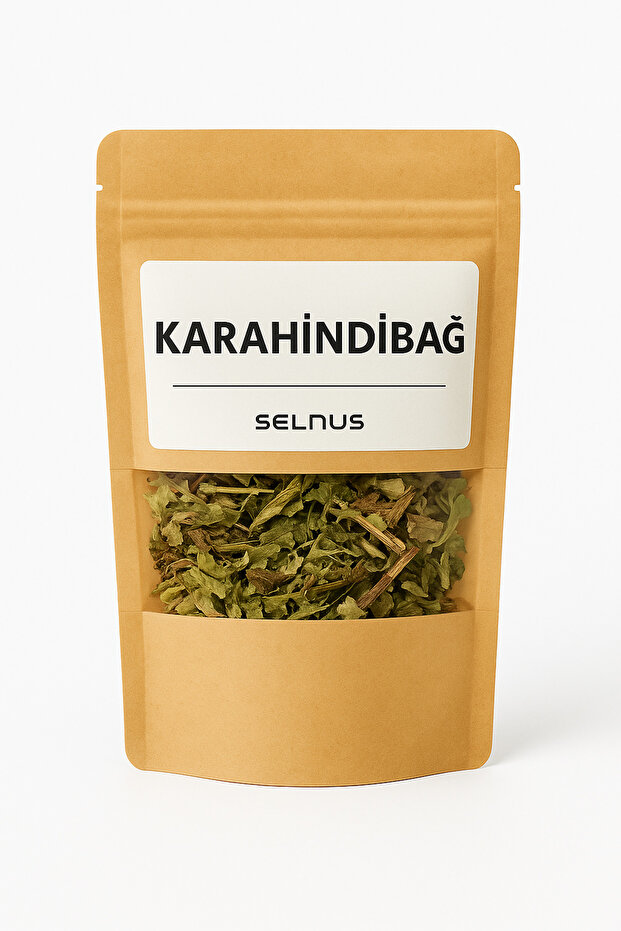


SELNUS Dandelion 50 g Dried Leaves Dandelion Tea Dandelion Taraxacum officinale

Campaign Price
At checkout
19.06 AED
44.46 AED
Free shipping
Delivery address

Select your address, find out the delivery date!
International delivery
Trendyol's commitments
Return unavailablePlease note that items in this category cannot be returned due to health protection, hygiene and/or legislation.
Payment methods




Highlighted features:
SELNUS Dandelion 50 g Dried Leaves Dandelion Tea Dandelion Taraxacum officinale features
Origin
TR

SELNUS
8.2
25.5K followers
Seller information
Similar items

 Trendyol Plus Exclusive




 Dandelion Tea 50g - Dandelion, Radika, Dandelion Tea, Natural and Without Additives




Shoppers also viewed









SELNUS Dandelion 50 g Dried Leaves Dandelion Tea Dandelion Taraxacum officinale reviews
21 ratings
6 reviews

Product details

Product description
- dandelion seeds, packed with natural nutrients, promoting a healthy lifestyle. It offers easy consumption and practical use with its 50-gram package. Contributes to general health thanks to natural plant extracts.
- can be used to make delicious snack or dessert
adds variety to the kitchen.
Additional info
- Sold by .
- The selling price on Trendyol already includes the export-related costs.
- Made in Türkiye
- A maximum of 5 units of this product can be ordered. Trendyol reserves the right to cancel orders over 5 units.
- Barcode No: 8684008310846
- Origin: TR
SELNUS Dandelion 50 g Dried Leaves Dandelion Tea Dandelion Taraxacum officinale features
Origin
TR
Safety information
Product safety information
Product description
Dandelion (Taraxacum officinale) consists of the dried leaves of a perennial plant belonging to the Asteraceae family. It is known as “dandelion” in English. This product comes in the form of dried leaves and is brewed as herbal tea.
Origin of name
The Turkish name "karahindiba" is related to "hindiba," another plant from the same family. Hindiba is a plant whose leaves are eaten in salads and whose root is roasted; karahindiba got its name because of these similar uses.
The English word "dandelion" comes from the French phrase "dent de lion," which means "lion's tooth" and describes the deep, pointed teeth along the edges of the leaves.
It is generally accepted that the Latin genus name Taraxacum derives from Arabic and Persian.
A Familiar Plant
Dandelions are known for their yellow flowers in the spring and the white, ball-shaped seed heads that form afterward. When you blow on a seed head, the seeds float through the air on parachute-like hairs—a sight that features in many people’s childhood memories.
The plant grows wild in meadows, gardens, and along roadsides and is widespread across much of the world.
The Structure of a Leaf
The dried leaves range in color from dark green to olive green. They curl and break during the drying process; the product consists of shredded leaf pieces.
Dried leaves are light; 50 grams take up a significant amount of space relative to their weight.
It Tastes Bitter
This is the most important thing to know about dandelion tea.
Dandelion leaves have a distinctly bitter taste. This bitterness is a natural characteristic of the plant, and dandelion belongs to the same family as other bitter-leaved vegetables, such as arugula. The mild, floral flavor found in most herbal teas is absent here.
To mellow the bitterness, it is common to keep the steeping time short, add honey or lemon, or blend dandelion with milder herbs.
How to brew
Add one teaspoon of dried leaves to approximately 200 ml of boiling water, cover, and let steep for five to seven minutes, then strain.
As the steeping time increases, the bitterness increases noticeably. It is best to start with a short steeping time on your first try and adjust it based on taste.
The brew has a color ranging from light green to light brown.
In the headphones
Since dandelion is bitter on its own, it is often used in blends.
With mint: The freshness of mint balances out the bitterness.
With fennel: Fennel's sweet flavor softens the bitterness.
With chamomile: The softness of the chamomile pushes the bitter note into the background.
With lemon zest: The citrus note adds a touch of freshness.
Use in the kitchen
Fresh dandelion leaves are used in salads and herb dishes in Mediterranean cuisine. Dried leaves, on the other hand, are primarily consumed as herbal tea; they can also be added in small amounts to soups and herb blends.
Aroma profile
Its aroma has notes of dry grass and a slight earthiness. Its taste is distinctly bitter, with a subtle green and grassy undertone.
How to recognize freshness
Freshly dried dandelion retains its green color and gives off a scent of dry grass when rubbed.
Leaves that have turned brown, wilted, or lost their scent have been left in the light for a long time. Damp or clumped pieces have absorbed moisture.
Usage warning
Do not use this product if you have a known sensitivity to plants in the Asteraceae family.
Consult your doctor before consuming during pregnancy and breastfeeding, regular use of medication or a known health condition.
Frequently asked questions
Why does it taste bitter? Dandelion leaves are naturally bitter. A short steeping time, honey, or blending can mellow the bitterness.
How do you brew it? Steep one teaspoon of leaves in 200 ml of boiling water, covered, for five to seven minutes.
Does it contain caffeine? No. Dandelion does not contain caffeine.
What does it pair well with? Mint, fennel, chamomile, and lemon zest are common pairings.
Are the root and the leaf the same thing? No. The root is a separate product; it has a different flavor and is prepared differently.
Why is it so bulky? Dried leaves are light; 50 grams take up a noticeable amount of space.
Packaging and storage
It is weighed in hygienic conditions and packed in a doypack package with a zip lock, which protects it from light and moisture.the package can be re-sealed after each use thanks to the zip-lock structure.
Dried leaves lose their color when exposed to light and their aroma when exposed to moisture. Store them in a cool, dry, and dark place with the lid tightly closed.
Selnus.
Natural solutions in the light of science
Collections you might like
ixirciyusuf - Best Sellers


Top by organik in Supermarket