Free shipping

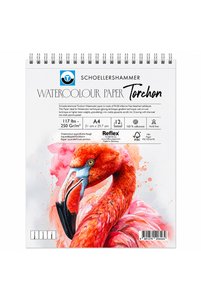
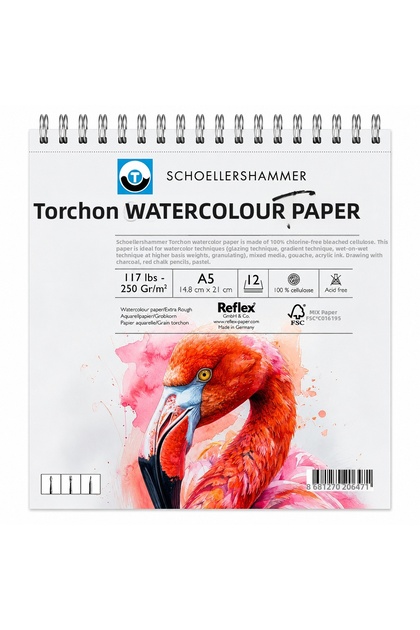
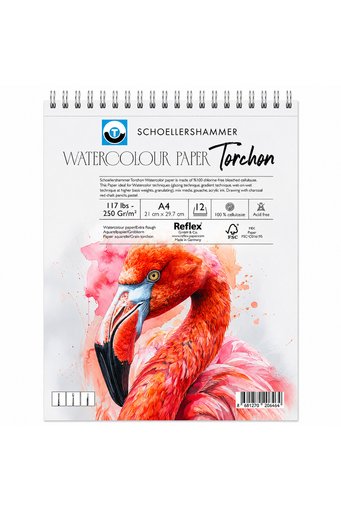
Schoellershammer Torchon Watercolor Pad 250Gr A4 12 Sheets
No reviews yet.
Checkout Discount 40% Off
At checkout
29.12 AED
48.53 AED
Color:White
Free shipping
Delivery address

Select your address, find out the delivery date!
International delivery
Trendyol's commitments
Easy and free return in 15 days.
Payment methods




Highlighted features:
Schoellershammer Torchon Watercolor Pad 250Gr A4 12 Sheets features
Color
White
Paper Size
A4
Paper Type
Watercolor Paper
Pen Nib Size
3B
Origin
DE

ÖZGÜN KIRTASİYE
9.4
17.4K followers
Seller information
Similar items





Schoellershammer Torchon Watercolor Pad 250Gr A4 12 Sheets reviews
No reviews yet.
Product details
Additional info
- Sold by .
- The selling price on Trendyol already includes the export-related costs.
- A maximum of 5 units of this product can be ordered. Trendyol reserves the right to cancel orders over 5 units.
- Barcode No: 8681270206464
- Origin: DE
Schoellershammer Torchon Watercolor Pad 250Gr A4 12 Sheets features
Color
White
Paper Size
A4
Paper Type
Watercolor Paper
Pen Nib Size
3B
Origin
DE
Safety information
Product safety information
Product description
Schoellershammer torchon watercolor pad 250gr a4 12 sheets is a watercolor pad designed for artists who want to create controlled color transitions, washes, and layered applications on a textured surface for their watercolor work. With its 250 g/m² paper weight, a4 size and 12-sheet structure, it offers practical use both in daily art work and in more planned projects. The textured surface of the torchon creates a visual impact distinct from completely smooth paper, making it particularly appealing for watercolor work where the texture is intentionally part of the artwork. The schoellershammer torchon watercolor sketchbook in a4 format offers a working area of approximately 21 x 29.7 cm. This size provides a surface that is both portable and a decent size for landscape, portrait, botanical, architectural sketching, object, still life, and abstract watercolor studies. For users who do not want to work with very large sheets of paper, but at the same time find the area of small sketchbooks insufficient, the a4 format is a balanced choice. It can be easily used in home, school, workshop, or outdoor work. Product name: schoellershammer torchon watercolor pad 250gsm a4 12 sheets brand: schoellershammer series: torchon watercolor pad product type: watercolor pad paper weight: 250 gsm paper size: a4 a4 dimensions: approximately 21 x 29.7 cm number of sheets: 12 sheets surface texture: torchon textured surface suitable for: watercolor painting, watercolor sketching, washes, wet-on-wet, wet-on-dry techniques, layering, and various water-based media. barcode: 8681270206464 product code: 5809884 the torchon surface is significant in terms of the paper's appearance and the character of the paint as it develops on the surface. Unlike flat and smooth watercolor papers, this surface offers a more pronounced texture. this can be particularly effective for broad brushstrokes and applications where pigment settles on the paper's surface in varying densities. By varying the angle of the brush, the amount of paint, and the pressure applied, the artist can manipulate the surface texture, making it a visual element of the work. 250g watercolor paper offers a more suitable working surface for water-based applications, thanks to its higher grammage compared to standard sketching and drawing papers. In watercolor painting, paper isn't just a substrate for pigment; the way it absorbs water directly influences the paint's spread and the appearance of brushstrokes. Therefore, it is important for users who start learning watercolor to pay attention not only to the selection of paints and brushes, but also to the weight and surface structure of the paper. The answer to the question of how to use schoellershammer torchon watercolor pad varies depending on the watercolor technique to be applied. Users who want to work on a dry surface can apply the paint directly to the paper. When the amount of water in the brush is reduced, more controllable and defined lines can be achieved, while when the amount of water is increased, the color can be spread more easily. This method is particularly well-suited for architectural details, botanical illustrations, object drawings, and controlled line work. In the wet on wet technique, a specific area of the paper is first moistened with clean water. Then, when the paint is applied to the wet surface, the pigment can move more freely in the water and create soft transitions. This technique can be used in works such as sky, cloud, sea, fog, distant plans, and abstract color transitions. The textured surface of the paper towel can add a more distinct paper character to the work, with the natural dispersion of the pigment in different areas. In the wet on dry technique, watercolor is applied to dry paper. With this technique, it's possible to keep the paint boundaries more controlled and create more defined edges. Both wet on wet and wet on dry techniques can be used together in the same picture. For example, while a soft and diffused sky is being prepared in the background, more controlled brush applications can be used for details in the foreground tree, structure, or object. Layered watercolor applications are also among the techniques that can be explored on the schoellershammer torchon notebook. Shades can be developed by applying a new transparent color on top after the first layer of paint is completely dry. This method is particularly used to create a variety of shadows, depths and colors. Instead of painting an area very dark all at once, start with lighter shades and build up in layers. this allows you to take full advantage of watercolor's transparent nature. In landscape work, a4 size offers a practical composition area. The sky, mountains, trees, water surface and other natural details can be placed in the same page in a balanced way. Torchon textured paper can create different results, especially in pictures where natural textures are studied. When a dry brush is used to stroke across the surface, the paper's high and low textures can hold the pigment differently, resulting in natural-looking, broken brushstrokes. In botanical watercolor studies, details of flowers, leaves, and plants can be rendered with varying degrees of paint density. After the initial light-colored base coat has dried, you can enhance the veins, shadows, and tonal variations by adding new layers to the dry areas. The a4 format is suitable for both in-depth study of a single plant and for combining several different botanical elements within the same composition. For portrait work, you can start with light colors to create the basic tones of the face, gradually increasing the shadows as the paint dries. Different brush effects can be created by taking advantage of the texture of the torchon surface in areas such as hair, clothing or background. Smaller brushes are preferred for details in the face, while larger brushes for background and large areas of color can increase your painting speed. For users who do architectural watercolor and city sketching, the schoellershammer torchon a4 watercolor notebook is also convenient with its portable size. First, a light perspective drawing can be prepared with a pencil, and then proceed to apply watercolor. Building facades, window details, shadows, trees and sky can be created with different paint intensities. The a4 format is compact enough to be used in a cafe, park, or plein air painting, yet large enough to allow for detailed work. In abstract watercolor applications, the textured nature of the paper can be used more freely. Color stains created with different densities of paint, broad brushes and lots of water can create different textural effects on the surface of the torchon. The user can allow the colors to blend together, leave certain areas dry, or apply multiple layers of different colors to the same area to create more complex surfaces. Users who work with watercolor pencils can also benefit from such heavyweight paper. The color can be applied first as a dry marker and then dissolved with a damp brush, or different effects can be tried directly on the damp surface. Because water-based materials of different brands and formulations can behave differently on paper, testing on a small area before starting a large project will help ensure more controlled results. It is important to consider the working habits of users who choose between 250 gr and 300 gr watercolor paper. Users who use a very high amount of water and completely wet large surfaces may prefer higher weights. 250 g paper makes a practical option for daily watercolor studies, sketches, color experiments, and controlled water application. Securing the edges of the paper to a hard surface with an appropriate tape before operation when necessary can help keep the work area more controlled in applications with heavy water use. The 12-sheet structure gives the user the opportunity to experiment with different techniques within the same notebook. One page can be left for a color chart or mixing experiments, while the other pages can be used for landscape, portrait, botanical, or abstract studies. Especially users who get a new watercolor set can test on different pages how the colors change depending on the water ratio and how they look on the torchon surface. It is important to control the amount of water used in watercolor work. Too much water doesn't always mean better results. The water load of the brush, the current dryness or dampness of the paper, and the amount of pigment should all be considered together. For first-time users of a torchon textured surface, a few small paint and brush experiments can help them get acquainted with the paper's character more quickly. The schoellershammer torchon watercolor pad can be evaluated by both beginners and experienced watercolor users. For beginners, it offers a suitable workspace to observe different water ratios and brushstrokes, while experienced users can appreciate the torchon texture as part of the painting's visual character. The character of the paper becomes more apparent, especially in pictures where the surface texture is desired to remain visible. When evaluating the price of a watercolor notebook, the paper weight, size, and surface character should be considered together, rather than just looking at the number of sheets. A standard drawing pad with a lower grammage and a watercolor paper of 250 gr/sq. m. are not produced for the same purpose of use. Therefore, when comparing prices, it would be more accurate to compare it with similar a4 size, around 250 gr, and papers intended for watercolor use. The combination of a4 format and 12 sheets can be especially advantageous for artists who prefer to use a dedicated watercolor sketchbook for a specific project or series of works. A personal work archive can be prepared by noting the date, colors used or techniques applied on the pages. Thus, the user can track how the techniques and color combinations they use have evolved over time. It is important to keep unused sheets clean and dry. Protecting the notebook from water, high humidity and dirty surfaces helps to keep the papers in a working condition. Keeping your hands clean while painting can also minimize unwanted oil and dirt marks on the paper. Sealing completed works after they are completely dry reduces the risk of paint or moisture transfer to the opposite page. Schoellershammer torchon watercolor pad 250gr a4 12 sheets; it combines a torchon textured surface, 250 gr/m² paper structure, a4 working area and a 12-sheet notebook format. It can be used in different modes of work, from watercolor sketches to detailed paintings, from landscape and portrait to architectural drawing and abstract applications. Thanks to its portable a4 format, it is a practical option for users who want to work both in the workshop and outdoors. For users looking for torchon watercolor paper, an a4 watercolor sketchbook, or 250gsm drawing paper, the schoellershammer torchon watercolor pad offers a textured surface that sets it apart from standard smooth papers. You can experiment with different water ratios, pigment densities, and brush techniques to take advantage of the paper's character; on 12 individual sheets, you can prepare both study exercises and finished watercolor paintings.
ConnectProf. ©Published by.