Free shipping


Only 1 left!
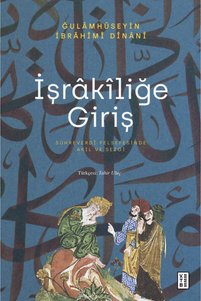
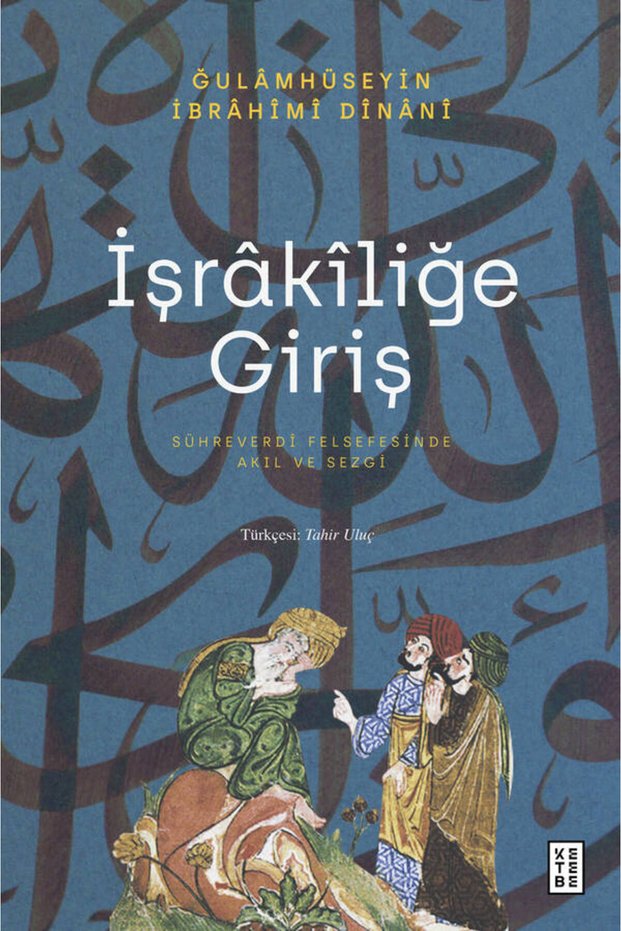
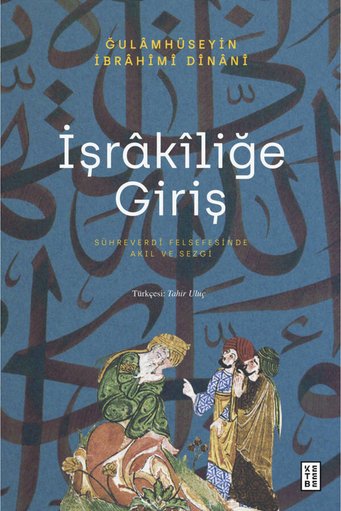
Ketebe İşrakîliğe Giriş - Ğulâmhüseyin İbrâhîmî Dînânî
No reviews yet.
190.81
AED
(incl. VAT)
Free shipping
Delivery address

Select your address, find out the delivery date!
International delivery
Trendyol's commitments
Easy and free return in 15 days.
Payment methods




Highlighted features:
Ketebe İşrakîliğe Giriş - Ğulâmhüseyin İbrâhîmî Dînânî features
Dimensions
Large Size
Year of Publication
2023
Number of Pages
451-500
Set/Single
One item
Origin
TR
Volume Information
Paperback
Available campaigns

Applied at checkout
ravzakitap
9.2
53.2K followers
Seller information
Ketebe İşrakîliğe Giriş - Ğulâmhüseyin İbrâhîmî Dînânî reviews
No reviews yet.
Product details
Product description
The introduction to ishrakism, written by gulamhüseyin ibrahimî dinani, is a singular product in the genre of historical novels.
this work provides readers with extensive information about ithiraf, an important branch of islamic philosophy.
designed in a large format, this book allows you to delve into historical events while making your reading experience more enjoyable.
Additional info
- Made in Türkiye
- A maximum of 5 units of this product can be ordered. Trendyol reserves the right to cancel orders over 5 units.
- Sold by .
- The selling price on Trendyol already includes the export-related costs.
- Barcode No: 9786258486544
- Origin: TR
Ketebe İşrakîliğe Giriş - Ğulâmhüseyin İbrâhîmî Dînânî features
Dimensions
Large Size
Year of Publication
2023
Number of Pages
451-500
Set/Single
One item
Origin
TR
Volume Information
Paperback
Safety information
Product safety information
Product description
Suhrawardi, the founder of illuminationism, is a philosopher with a prominent place in the history of islamic thought. his influence and impact on subsequent philosophers can never be denied. the works he left behind in persian and arabic, in the fields of logic and philosophy, are astonishing considering his short life. he systematically and symbolically expressed his ideas in his writings. suhrawardi, who built the philosophical-mystical tradition in the history of islamic thought, is also called sheikh al-ishraq because he was the founder of illuminationism, which stands against the masha'ili philosophy.
Dînânî, one of the most respected living scholars and thinkers, has a strong interest in the works of islamic philosophers, as he himself puts it, and aims to clarify the philosopher's thought structure as much as possible by examining suhrevardi's ideas. for this reason, he has examined suhrevardi's important works and written them in a clear and easily readable style, contrary to suhrevardi's closed and symbolic language, in a way that the general reader can understand, without using indirect sentences.
ConnectProf. ©Published by.