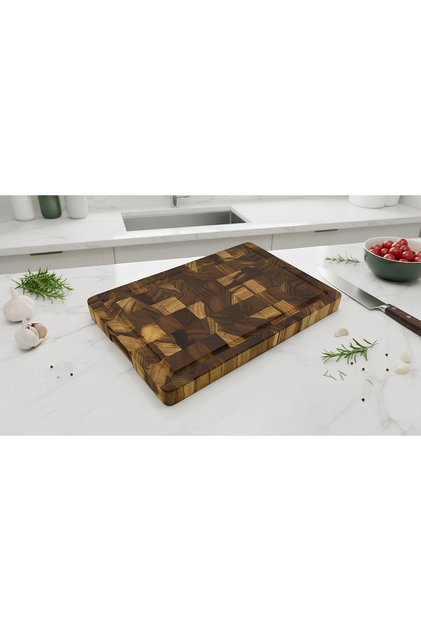
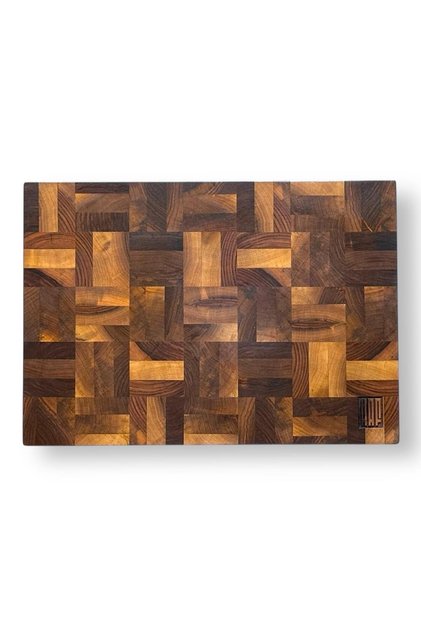
KAF Wooden Oak Vertical-Grain Cutting Board
A piece of local oak standing steadily on the workbench
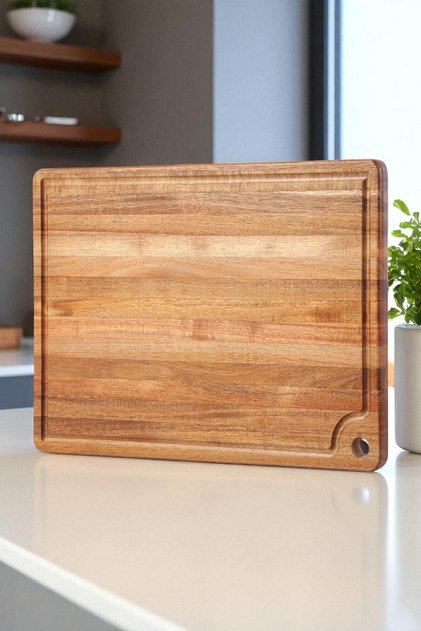
The hard grain of domestic oak withstands daily use. The weight of its thick body helps the board stay balanced on the work surface while cutting. For those looking for a combination of these two features at an affordable price, oak is one of the options in our series. Its sturdy surface is also suitable for use with a chisel and knife. If you’ll be carrying the board to the sink every day, you may want to consider its weight when choosing a size.
KAF hardness group · Hard
Which size suits you?
Medium · 40 × 27 × 4.2 cm
From breakfast to dinner, it provides a comfortable workspace for your daily preparations. With its 40 × 27 cm surface, it takes up less space on the countertop than the larger size. Since it’s lighter than the larger model made from the same wood, it’s also easier to carry to the sink and put away when you’re done.
Large size · 34 × 48 × 4.2 cm
Whether you’re inviting guests for iftar or hosting the whole family during the holiday, a large cutting board makes it easier to prepare several dishes at once. You can set aside the larger pieces you’ve chopped and continue working on the other side. It’s a convenient choice for large families, those who frequently entertain guests, and even those who enjoy preparing a few different appetizers for a meal for two.
The weight of oak lumber
Medium size · 3.4 kg (±50 g)
Big size · 5 kg (±100 g)
What are the benefits of a vertical fiber structure when working with a knife?
In vertical-grain (end-grain) wood, the cross-section of the wood forms the working surface. The blade’s edge can penetrate between the fibers during cutting. Because the fibers can close back together after cutting, surface knife marks may be less pronounced and less permanent than on horizontal-grain (edge-grain) wood. This structure provides a blade-friendly cutting surface. The appearance of the marks varies depending on the type of wood and the pressure you apply.
Each piece of oak wood has its own unique appearance
In natural wood, the grain, pattern variations, and color tones vary from piece to piece. For this reason, the pattern on the board you receive may not be exactly the same as the one shown in the photo. These natural variations give each board its own unique character.
Cleaning and maintenance
Wash your board by hand with warm water, soap, and a soft sponge. Do not soak it in water or put it in the dishwasher.
After washing, dry it immediately and leave it to dry in an upright position so that both sides are exposed to the air.
After the first wash Once your deck is completely dry, we recommend applying KAF Wood Care Cream to bring out the wood’s natural color and help reduce water absorption.
Alternatively, you can apply mineral oil, flaxseed oil, or poppyseed oil—provided the label states that they are suitable for contact with food and for use on cutting boards—according to the instructions on the product.
To ensure your wooden furniture lasts for many years, please follow the use and care instructions included with the product.
Meticulous KAF Woodworking
KAF Woodworking combines the unique texture of natural wood with meticulously assembled pieces and careful surface finishing. With every piece of furniture, we aim to blend the functionality of everyday use with the aesthetic appeal of wood.
Curious ones
Do I need to lubricate it every time I use it?
We recommend applying KAF Wood Care Cream once the wood has completely dried after the first wash. For subsequent uses, you can reapply the treatment when the surface dries out and becomes dull.
Will there be knife marks on the surface?
Superficial knife marks may appear during daily use. On wood with a vertical grain, these marks may be less noticeable and less permanent than on wood with a horizontal grain. Keeping your wood clean and dry and maintaining it regularly will help protect the surface.









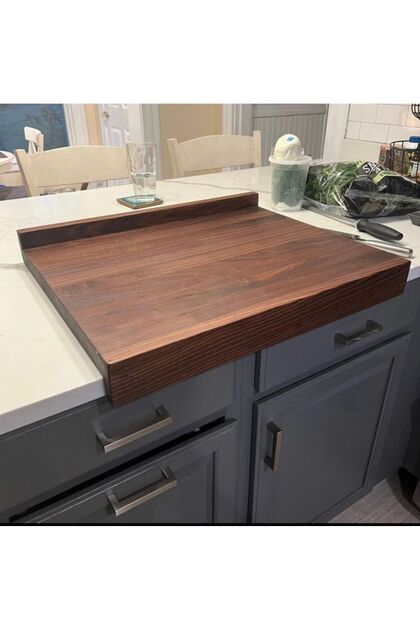

 Dough Rolling Board - Trend Cutting Board - Countertop Cutting Board - Meat Cutting Board









 Trendyol Plus Exclusive