Trendyol Plus Exclusive


Free shipping


Free shipping
Delivery address

Select your address, find out the delivery date!
International delivery
Trendyol's commitments
Return unavailablePlease note that items in this category cannot be returned due to health protection, hygiene and/or legislation.
Payment methods




Coupons
Highlighted features:
Dermanel Callus Solution Set Wart Solution Set features
Skin Type
All Skin Types
Form
Lotion
Additional Feature
Anti Allergic
Key Ingredient
Salicylic Acid
Intended Use
Regenerative
Number of Items in the Set
2
Anti-aging
No
Origin
TR

DERMANEL
10
5.0K followers
Seller information
Similar items









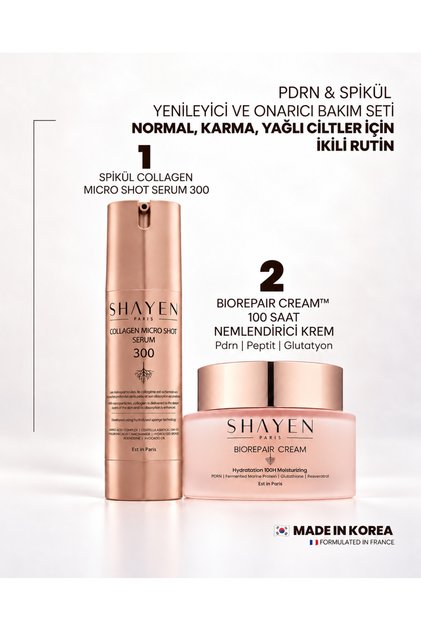
 Pdrn & Spicule Intensive Care and Repair Set | | Moisturizer | Biorepair 100 Hour Moisturizing Cream ™ Set + Collagen Micro Shot 300 Serum (Micro Channel Technology) ™ )






Shoppers also viewed








Dermanel Callus Solution Set Wart Solution Set reviews
6 ratings
1 reviews

Product Q&As
How should we use it for calluses and warts?

Answer from DERMANEL
Hello sir. When using both products, it is applied twice a day, in the morning and in the evening. Apply the solutions to the callus and wart, but do not let them come into contact with healthy skin. To prevent contact with healthy skin around the callus and wart, create a barrier by applying any cream to the small cushions in the set or around the wart and callus. Apply a few drops of castor oil to the wart or callus before going to bed at night. To soften it. Gently file the layer on the callus or wart with the file in the set every 2-3 days without scratching. Please make sure to use it regularly. We wish you healthy days.
Translated by Google
Hello, does the product burn the skin when it comes into contact with it while using it?
Answer from DERMANEL
The wart treatment solution kit may cause a slight burning sensation after just a few applications, but other than that, there shouldn't be any problems. We wish you good health.
Translated by Google
Is it useful for genital and also for skin moles in the neck area?
Answer from DERMANEL
Hello sir. It's an effective product for treating genital warts. It should be used regularly without contact with healthy skin. The product is used for body warts.
Translated by Google

Product details

Product description
- offers a maintenance that does not have anti-aging properties, per se, and repairs the natural balance of the skin.
- safe for use by anyone, with a formula suitable for all skin types. Thanks to its lotion form, it is easy to apply and provides quick absorption, gently penetrating the skin.
- with its restorative effect, it helps remove while also contributing to the renewal of the skin. - with its anti-allergic properties, it is ideal for all users, including those with sensitive skin
it does not cause irritation or allergic reactions.
- with salicylic acid content, it helps to clean and reduce blackheads, while helping the skin look healthier. - it offers the possibility of long-term use with its two-piece set content
thus, you can constantly refresh it when needed.
Additional info
- Made in Türkiye
- A maximum of 5 units of this product can be ordered. Trendyol reserves the right to cancel orders over 5 units.
- Sold by .
- The selling price on Trendyol already includes the export-related costs.
- Barcode No: nasırsiğil
- Origin: TR
Dermanel Callus Solution Set Wart Solution Set features
Skin Type
All Skin Types
Form
Lotion
Additional Feature
Anti Allergic
Key Ingredient
Salicylic Acid
Intended Use
Regenerative
Number of Items in the Set
2
Anti-aging
No
Origin
TR
Safety information
Product safety information
Product description
Dermanel callus treatment set
Content: aqua, trichloroacetic acid, lactic acid, salicylic acid, pyroxilin, ethanol, ethyl acetate, castor oil.

Set: this treatment kit includes 15 ml of callus remover solution, 30 ml of castor oil, 10 protective bandages, and 4 nail files.

The skin is like a garment that provides protection against the external environment.Constant contact with the external environment makes the skin more prone to diseases.Calluses, which have been seen in people of all ages from prehistoric times to the present day, are an important skin disease.Initially, a callus, which has an aesthetically bad appearance, can become painful and agonizing if not treated.Hands and feet are exposed to pressure, friction, and compression throughout the day.The skin forms layers in the skin to protect itself from this, it thickens and hardens.Calluses can occur due to pressure or compression applied continuously to the same point, such as on a bony protrusion.Calluses can form at the points where body weight is most concentrated, especially in situations such as using the wrong shoes or choosing unsuitable insoles.If there is a disruption in the bone structure anatomically, callus formation can also be observed in this situation.Although the dead tissues called calluses (callosity and clavus) do not show significant symptoms at first, they should be treated because they will cause serious problems in the future.
Hard callus
This type of callus, which is particularly found in the sole area of the foot, causes pain and discomfort due to its deep and dense root, and can take the form of a thick layer of dead skin that may show inflammation in the surrounding tissues. these calluses usually occur on bony parts of the feet, on the tops of the toes, on the outer part of the little toe, and on the sole of the foot. constantly stepping on your foot incorrectly, or due to a deformation in your bones, causes your shoes to put pressure on the surface of your foot, which in the long term leads to the formation of hard calluses.
Soft Callus
It is a type of callus that can be felt as less painful and painful than hard callus, with sizes of 1-4 cm. it usually forms in the gaps between the toes due to rubbing of the toes together and standing for a long time. it has less layered dead skin than hard callus. it can cause pain and discharge problems. frequent use of high-heeled shoes increases the pressure on your toes, thus increasing the risk of soft callus formation. deformities that are congenital or developed later in your toes, causing your toes to be very close to each other, also increases the risk of soft callus formation.
Seed callus
Typically found on the sides and back of heels. the dead skin layer can be easily removed. pain and discomfort are not felt unless pressure is applied. however, pressure can cause pain. while pain can be reduced by removing hard skin and using heel stones, treatment is necessary because the root of the callus lies underneath.
Most common areas for calluses
Calluses are most commonly seen under the feet, but can also appear on the sides of the feet, the tops of the toes, the tips of the toes, the heel, between the toes, and where the toes press against each other. they can also be seen on the fingers and palms of the hands, between the fingers, on the knees, elbows, and shoulders, where excessive friction and pressure are applied.
Callus symptoms
Calluses that initially show no disturbing symptoms develop symptoms due to continued exposure. flaking on the skin, a hardened mass, sensitivity felt under the callus, pain and ache, a cone shape forming in the middle of the callus, inflammation around the area in advanced calluses are the most common callus symptoms.
Callus and infectious condition
Calluses completely form on the skin surface due to pressure or friction. they are not contagious as they do not occur with any virus or bacteria.
Conditions that cause calluses
Prolonged standing, excessive exercise and use of sports equipment, choosing loose or tight shoes that are not suitable for the foot, high-heeled shoes, occupational deformations, accessories or attachments on clothes rubbing against the skin for a long time, incorrect walking, obesity, advanced age, excessive sweating of the feet, constant manual labor, failure to give continuous and correct position to patients who lie for a long time, frequent lip licking, obsessive-compulsive disorder, toes pressing on each other, sports such as surfing, weightlifting, rowing that constantly expose hands to friction, trauma on the fingertips of guitar and violin players can cause calluses.
Simple measures to prevent calluses
Areas that are constantly exposed to contact should be moisturized regularly to prevent the skin from drying out.Cotton socks that do not make the feet sweat should be preferred.If possible, socks should be changed during the day.The foot should not be left damp.Special insoles and silicone supports should be used inside the shoes.Choosing the wrong shoes is one of the most important reasons for the formation of calluses.Comfortable, orthopedic shoes that fit your foot mold, are not too tight or too loose, should be preferred.Heels higher than 6 cm should be avoided.Care and cleanliness of the feet should be taken, they should be washed every day, and if possible, they should be soaked in warm water.Massage should be done with oils that contain vitamin e, such as almond oil, which nourish the skin and help repair it.For the calluses on the hand that are constantly exposed to friction and pressure in your daily life, the hands should be moisturized constantly.Hand masks should be applied according to your skin type.Vitamins a and e prevent callus formation.You should frequently include vegetables and fruits such as bananas and carrots, which contain these vitamins, in your diet.Athletes who are exposed to long-term friction and pressure on their hands, feet, knees, and elbows, and different professional groups, should use protective equipment for these areas.
Pay attention to these
Never try to scrape your callus with piercing and cutting tools. if your callus has become inflamed and unbearably painful, consult a specialist doctor.
Dermanel wart anti-hpv treatment kit
Content: aqua, trichloroacetic acid, lactic acid, salicylic acid, pyroxilin, ethanol, ethyl acetate, castor oil.

The set is prepared as a treatment kit with 15 ml wart solution, 30 ml castor oil, 10 protective tapes, and 4 nail files.

Wart
Structures that occur on the mucosal tissues and skin due to human papilloma virus (hpv) are called . research conducted on mummies shows that the occurrence of in humans can be traced back thousands of years.
Wart symptoms
Warts are often observed on fingers, hands, soles of feet, and genital areas. are caused by a virus that enters the body. it can take between 2 to 6 months for a wart to develop after your body is exposed to the virus. they are typically characterized by small, fleshy bumps that are skin-colored, white, or pink, and often have small, coagulated blood vessels. complaints about are generally due to cosmetic reasons. during a physical examination, a doctor will detect them as a raised structure with irregular edges and surfaces on the skin. , which can vary in size from 1 millimeter to several centimeters, should be carefully observed as they can be mistaken for callus tissue when they develop on the soles of the feet.
Causes of wart formation
Hpv is the virus that causes and has approximately more than 100 subtypes. each individual's immune system responds differently to the hpv virus. therefore, not everyone who comes into contact with hpv may develop . hpv is a virus that can be transmitted through contact. while some of these subtypes are associated with wart development in only certain areas of the body, it should not be forgotten that can occur in any part of the body, such as on the face and in the mouth, due to the possibility of skin-to-skin contact.
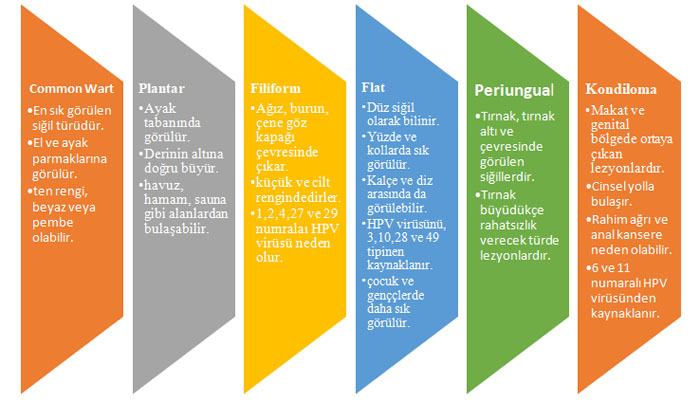
Common wart
These , which usually occur on the hands, legs, nails and fingers, have a hard and rough surface. these are round, rough textured and yellowish or brown. it can be seen that the color is more grayish than the skin around it. the main way of infection for these is through skin contact. after exposure to the virus, the development time for this type of finger wart can vary between 2 and 6 months.
Flat wart
While flat are commonly seen on the face and hands, this type of wart can also appear on the hair, thighs, arms, and legs. small and often difficult to spot at first glance, these have a flat, smooth surface that may appear as if it has been scraped. the color of flat can range from pink to brown or even yellowish hues.
Foot sole wart
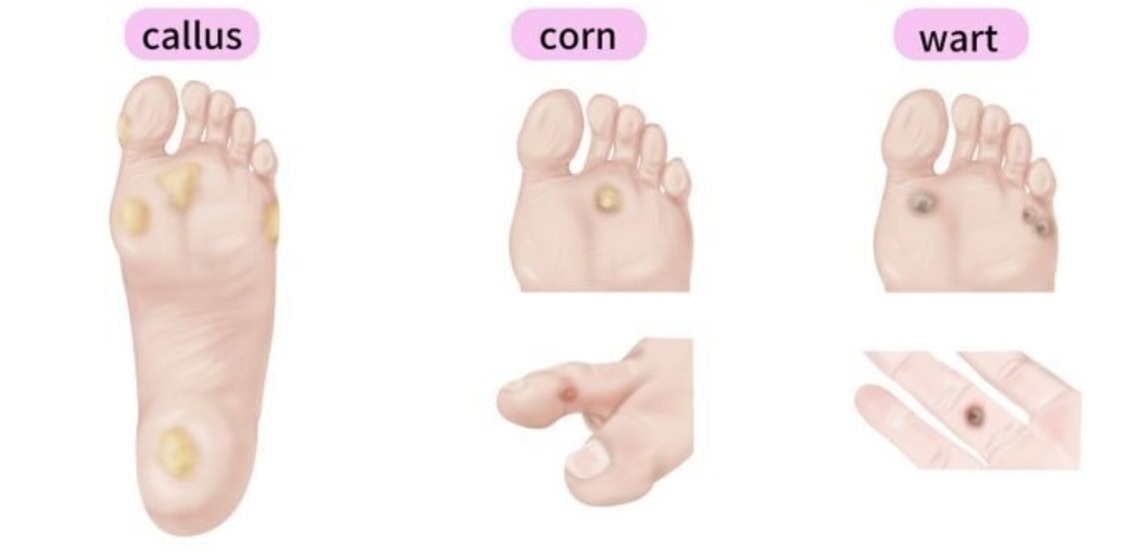
They are embedded in the skin on the feet and cause pain. there is a high probability of confusion with a callus. to distinguish, the presence of black or red dots inside the wart should be checked. depending on the weight, on the sole of the foot can develop inward. plantar refer to the development of on the sole of the foot. it can manifest itself as a hole with hardened skin around it on the sole of the foot. therefore, it should not be forgotten that plantar type can manifest themselves with discomfort complaints during walking. plantar can be transmitted by direct contact. the disruption of the integrity of the skin in the contact area during infection is among the factors that facilitate the transmission of the virus. a yellowish color and crust formation on the external appearance of the wart is noticeable.
Genital wart
Warts that develop in the genital area may not always be visible to the naked eye. this is because these are small in size and have a similar color to the skin. even though they may not be visible, people with genital may experience symptoms such as discharge, itching, bleeding, and burning. the spread or growth of is a painful and uncomfortable situation. these viruses form a cluster of that are similar in structure to cauliflower. these , which threaten both women and men, are contagious and rapidly spreading. at the same time, this situation can also cause aesthetic and functional problems.
Precautions to take to prevent human-to-human wart transmission
The course of infectious diseases can vary from person to person.The main reason for this difference is that each person's immune system responds differently to harmful factors such as viruses, bacteria, or fungi that have the potential to cause disease.It is considered normal for people to encounter the human papillomavirus at various stages of life.Scratches or cuts that may disrupt the integrity of the skin in the contact area at the moment of encounter can facilitate the infection of the hpv virus.There are some applications that can be used to prevent the hpv virus from spreading from person to person or to other parts of the body in a person.Maintaining hand hygiene, thoroughly cleaning and disinfecting the affected area after an injury, avoiding contact with other people's , refraining from scratching the developing wart and keeping it dry, and carefully protecting the area around on shaved areas are all important points to consider.Do not allow the wart area to touch other parts of your body.Do not share personal items such as clothes, pillowcases, towels, or shoes.Use socks or slippers when at home and shoes at the gym.Don't forget the possibility of being transmitted from other people
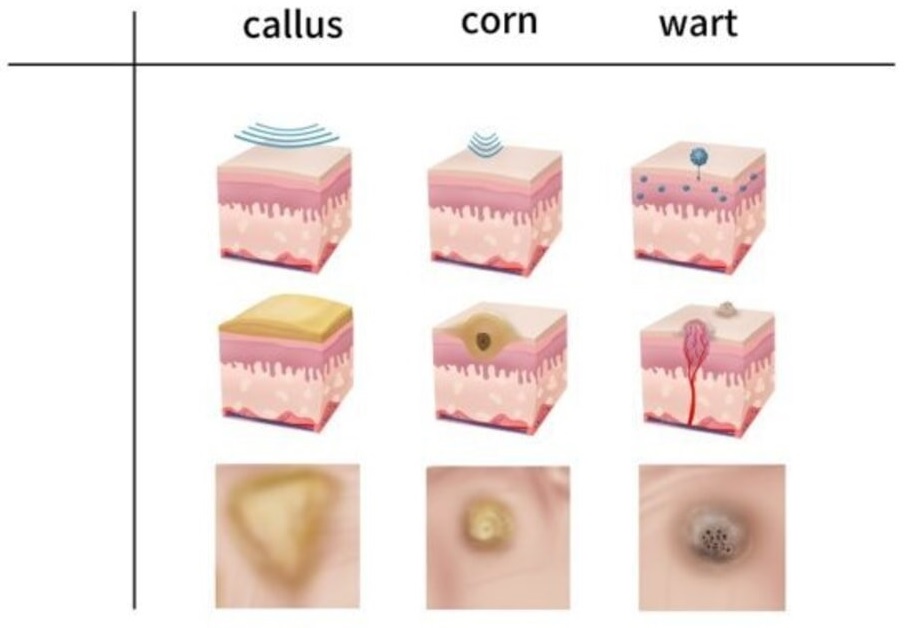
Callus and wart differentiation
Calluses are not contagious, but they can grow with pressure. are contagious.
Calluses also have a rash and crusty appearance. the wart has an orange peel appearance and rash.
Calluses can sometimes be confused with warts, which appear as thick, white patches on the soles of the feet.
The callus is raised from the tissue and has a yellowish color
Callus is localized or not.wart is localized
The calluses are also a thick, uniform white layer. when the are scraped, small black dots and bleeding points are observed.
Some calluses have a conical, nail-like core in the middle, and some have a yellowish-white area around them.
The plug-like structure in the middle of the callus can cause severe pain when it presses on the nerve tissues or when there is pressure in an upright position. it creates a severe pain situation when pressure is applied to the wart like squeezing a pimple.
Calluses located between the toes may turn white due to sweat and moisture.
In cases where the integrity of the skin is compromised, pus-filled, inflamed fluid accumulation may be observed under the calluses due to the development of infection in the calloused area.
Callus / corn : callus
Wart : wart
Dermanel health system

INFORMATION
Dermanel callus treatment kit+dermanel wart ant-hpv treatment kit and callus+wart info point
PLAN
Dermanel nasir treatment set+dermanel wart ant-hpv treatment set treatment plan point
Application
Dermanel and under doctor supervision dermanel nasir treatment set+dermanel ant-hpv treatment set application point