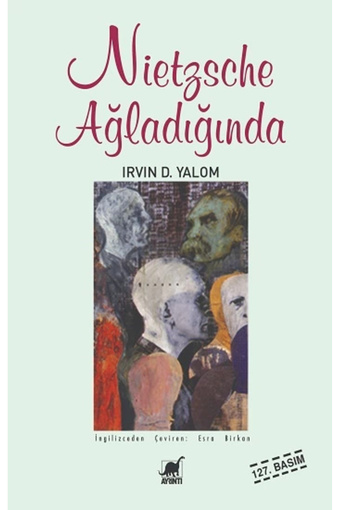
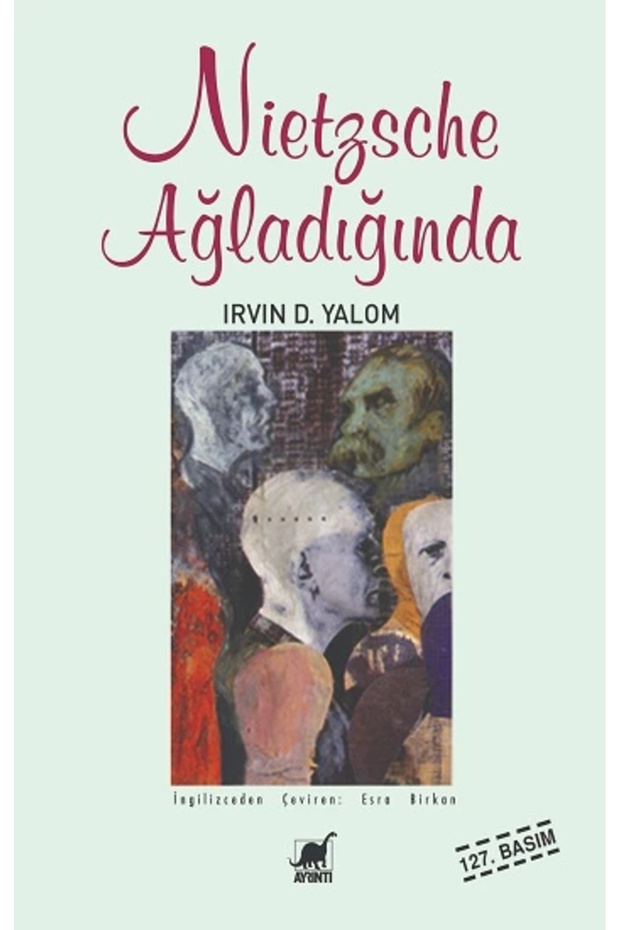
Psychiatrist irvin d. believes that each patient's story is unique and that different therapies should be applied to each one. In his novel, *nietzsche wept*, first published in 1992, yalom blends fact and fiction, a story that has been widely read and loved worldwide, and which bears the imprint of his own life experiences. While telling an unforgettable story about the healing power of friendship, yalom welcomes his readers in 19th century vienna, the period when the birth pangs of psychoanalysis began, and the intellectual circles of those years. Friedrich nietzsche, a philosopher who had yet to publish two books, was unknown and extremely poor, crossed paths with josef breuer, a wealthy and respected character who had managed to become the doctor of many artists and thinkers, one day in the spring of his youth. The role of nietzsche's friend, the young and beautiful woman lou salomé, is undeniably significant in this; she believes that no one but breuer can cure nietzsche's loneliness, hopelessness, and illnesses. He is right. But it wouldn't be as easy. Nietzsche does not accept help and also denies being sick. Even though the process can be challenging, their journey gradually progresses with "speech therapies." In these sessions, breuer finds solace, not only nietzsche. Only after confronting his own demonic aspects can the skilled doctor find the power within himself to heal his patient. During this time, breuer frequently met with his close friend and student, sigmund freud, and shared the treatment methods and process he applied. In these "talk therapy" sessions, where you witness nietzsche's thoughts converging with psychoanalysis, you will both engage in deep inquiries about life and confront yourself. This thought-provoking novel, first published in turkish in 1996 and ever since, has taken its readers on a journey of questioning the human mind and life, is now reuniting with its readers through the turkish translation of academician and translator esra birkan.

Promotional text


 Trendyol Plus Exclusive
















 Stone paper scissors